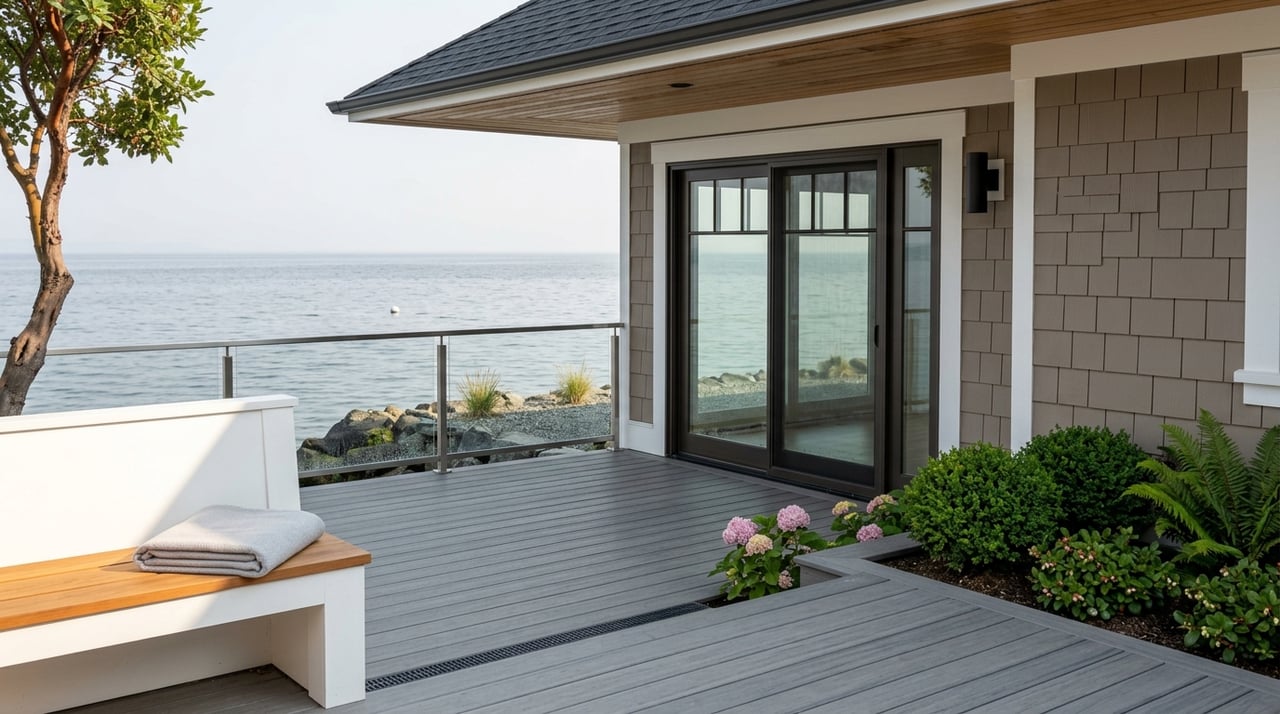
Dreaming about waking up to Puget Sound views in Mukilteo? Waterfront living here can be stunning, but it also comes with tradeoffs that are easy to miss if you only focus on the scenery. If you are thinking about buying a waterfront or water-view home in Mukilteo, this guide will help you understand what “waterfront” can really mean, what costs to plan for, and what details matter most before you make a move. Let’s dive in.
Mukilteo Waterfront Living at a Glance
Mukilteo is a waterfront community in southern Snohomish County, about 25 miles north of Seattle. The city is known for its lighthouse, public beach, boat launch, ferry connection to Clinton, and mountain views, which all shape the day-to-day waterfront experience.
That matters because waterfront living in Mukilteo is not just about owning a home near the water. It is also about access to parks, boating, beach activity, and a shoreline that feels active and connected rather than remote.
What “Waterfront” Means in Mukilteo
Not every Mukilteo waterfront property offers the same kind of experience. The city’s shoreline planning documents note that shoreline jurisdiction extends 200 feet inland from the line of extreme low tide, and much of the shoreline is next to steep bluffs, with some beach areas described as sediment-starved or armored.
In plain terms, a listing described as waterfront may be one of several things:
- A true shoreline-front home
- A bluff-top property with wide water views
- A home near a public beach corridor
- A property with partial or filtered water views
That is why it helps to look beyond the label. A home may offer beautiful views but limited direct beach access, while another may sit closer to the shoreline but have more regulation, maintenance, or exposure to weather.
Property Types You Are Most Likely to See
Mukilteo’s shoreline planning documents describe low-density single-family residential development and parkland along parts of the marine shoreline, especially south of Lighthouse Park. In practical terms, that means many waterfront opportunities are more likely to be detached homes or view properties rather than large clusters of waterfront condos.
For buyers, this usually creates a smaller, more specialized pool of listings. It also means each home should be evaluated on its own features, especially view quality, lot position, access, and improvement potential.
Compare Waterfront Homes by Category
When you shop in Mukilteo, it helps to separate properties into a few clear groups:
- Direct shoreline homes with frontage along the water
- Bluff-top homes with strong views but not necessarily walk-out access
- Near-water homes close to public waterfront amenities
- Partial-view homes that may still offer lifestyle appeal at a different price point
This comparison matters because value can change significantly based on frontage, elevation, and usable access. Two homes may both be marketed around the waterfront lifestyle, but the ownership experience can be very different.
The Lifestyle Benefits of Mukilteo Waterfront Living
For many buyers, the appeal is easy to understand. Mukilteo offers Puget Sound views, beach access, sunsets, boating, fishing, and a historic waterfront setting that gives the area a strong sense of place.
The city highlights Lighthouse Park and its accessible beach as key local features, along with the ferry terminal. Together, these make the waterfront feel lively and useful, not just scenic.
What Daily Life Can Feel Like
Depending on the property, waterfront living in Mukilteo can mean:
- Watching ferry activity and marine traffic
- Spending time at Lighthouse Park or nearby public beach areas
- Enjoying quick access to boating and shoreline recreation
- Living with broad views of the Sound and surrounding mountains
That said, the experience can vary a lot from one address to another. Some homes feel immersed in the shoreline, while others offer more of a visual connection than direct access.
Flood Risk Should Be an Early Check
One of the most important parts of due diligence is flood risk. FEMA identifies the Flood Map Service Center as the official source for flood hazard information, and properties located in Special Flood Hazard Areas may be subject to floodplain requirements through the National Flood Insurance Program.
Mukilteo’s shoreline plan states that the Urban Waterfront, Urban Waterfront Park, and some Urban Conservancy shoreline areas are mapped as high-risk flood hazard areas. For buyers, that means flood insurance, lender requirements, and elevation-related questions may need to be reviewed early in the process.
Why This Matters for Your Budget
Flood risk can affect more than just insurance. It may also shape:
- Monthly ownership costs
- Lender conditions
- Future remodeling plans
- Long-term resale considerations
If you are considering a waterfront or near-water property, checking the flood map status early can help you avoid surprises later.
Shoreline Rules Can Affect Future Plans
Waterfront ownership often comes with more regulation than a typical inland home. In Washington, the Department of Ecology says many shoreline projects require permits, including substantial development and activities such as exterior alterations, dredging, filling, bulkheading, and piling.
Ecology also encourages softer stabilization techniques over hard armoring where possible. So if you are thinking about changing a dock, repairing a seawall, doing bluff work, or making major shoreline landscaping updates, it is smart to review what may be allowed before you close.
Ask About Past and Planned Work
When evaluating a property, you may want to ask about:
- Prior shoreline improvements
- Permits for seawalls, bulkheads, docks, or piling
- Drainage or slope work
- Any planned repairs or stabilization needs
These details can affect both your short-term costs and your long-term flexibility as an owner.
Maintenance Is Higher Near the Water
Salt exposure is one of the biggest practical differences between waterfront and inland ownership. FEMA’s coastal corrosion guidance notes that salt spray can speed up corrosion of metal connectors and fasteners, especially in exposed or hard-to-inspect areas.
In Mukilteo, that can mean more frequent attention to railings, exterior hardware, dock components, roof and flashing details, and hidden metal connections. A home near the water may look great on the surface but still require a more careful maintenance plan over time.
Inspection Priorities for Mukilteo Waterfront Homes
Before buying, pay close attention to issues that can affect comfort, safety, and future repair costs. Common priorities include:
- Drainage performance
- Slope stability
- Seawall or bulkhead condition
- Signs of corrosion
- Evidence that prior shoreline work was properly permitted
These items can be just as important as square footage or finishes. On waterfront property, the unseen details often matter most.
Think Long Term About Ownership
Mukilteo’s shoreline plan says climate change and sea-level-rise considerations are part of shoreline management. That does not mean every home faces the same risk, but it does reinforce the need to think beyond the first year of ownership.
Many waterfront buyers plan for ongoing maintenance and periodic professional inspections rather than treating the property like a typical suburban home. That long-range mindset can help you better protect both the home and your budget.
Waterfront Value and Resale Potential
Waterfront and water-view homes often carry a scarcity premium, but that premium is not fixed. Research cited in the report shows buyers are generally willing to pay more to live near water, and that water views and wide beaches can support value, while flood risk can put downward pressure on prices.
That is why resale potential in Mukilteo depends on more than the word “waterfront.” The strongest long-term appeal often comes from a combination of view quality, access, condition, and manageable ownership costs.
Scarcity Matters in Mukilteo
Mukilteo waterfront inventory appears limited, which can support demand when the right property comes to market. At the same time, the broader Snohomish County market in May 2026 had a median sale price of $759,875 and 2.72 months of inventory, suggesting a market that remains relatively tight even as conditions move closer to balance.
For you as a buyer, this means patience and careful comparison are important. Rare inventory can be appealing, but it is still worth measuring each home against the real costs and responsibilities that come with the location.
How to Shop Smarter in Mukilteo
If you are serious about waterfront living, focus on the details that shape daily life and long-term value, not just the photos. A smart comparison process can help you separate true opportunities from homes that may be harder or more expensive to own.
Here are a few practical steps to take:
- Confirm the type of waterfront exposure. Find out whether the home is direct shoreline, bluff-top, near-water, or partial-view.
- Check flood map status early. This can affect insurance, financing, and your monthly costs.
- Review shoreline limitations. Ask whether planned improvements may require permits.
- Inspect for coastal wear. Look closely at corrosion, drainage, slope conditions, and structural elements near the exterior.
- Evaluate lifestyle fit. Think about whether you want direct access, panoramic views, proximity to parks, or easier-maintenance living.
Buying a Mukilteo waterfront home is often less about finding a generic waterfront label and more about finding the right version of waterfront for your goals.
If you are weighing a move in Mukilteo or anywhere in Snohomish County, the Knoblaugh Team can help you compare homes with a clear eye on lifestyle, maintenance, and long-term value. Connect with Steve Knoblaugh for practical local guidance tailored to your next move.
FAQs
What does waterfront living in Mukilteo usually mean?
- In Mukilteo, waterfront can mean direct shoreline frontage, bluff-top water views, or homes near public beach corridors, so it does not always mean easy walk-out beach access.
Do Mukilteo waterfront homes always have beach access?
- No. Some waterfront properties are better understood as bluff or view homes, and direct beach access can vary significantly by lot.
Should buyers check flood risk for Mukilteo waterfront homes?
- Yes. Flood map status should be reviewed early because it can affect insurance, lending, and long-term ownership costs.
What maintenance issues matter most for Mukilteo waterfront properties?
- Drainage, slope stability, seawall or bulkhead condition, corrosion, and any prior shoreline work are key inspection areas.
Can you remodel a waterfront home in Mukilteo without extra review?
- Not always. Shoreline work and certain exterior improvements may require permits under Washington shoreline rules, so it is important to verify what is allowed before planning changes.
Are Mukilteo waterfront homes a good long-term investment?
- They can benefit from limited supply and strong demand for views and proximity to water, but value also depends on access, condition, flood risk, and ongoing ownership costs.